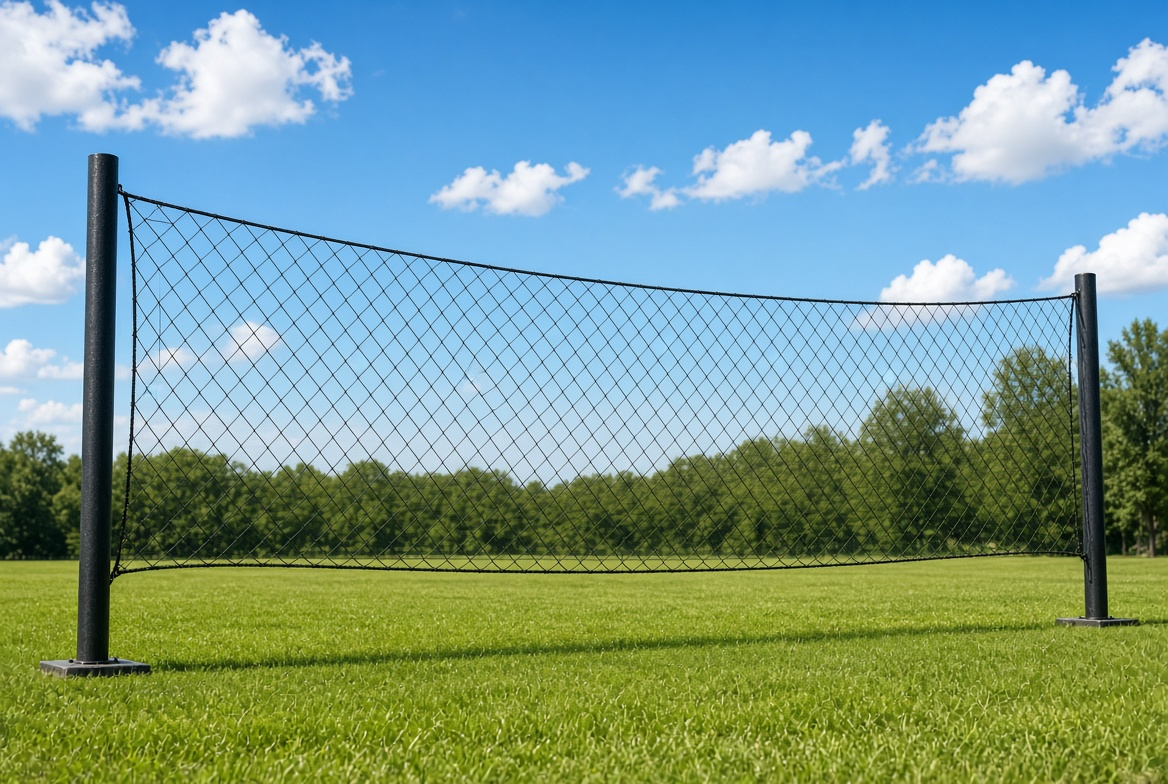
Athletic Net: Your Guide to Better Sports Training and Safety
An athletic net stands as one of the most practical tools any athlete, coach, or sports facility can own. Whether you train in a backyard, school gym, or professional complex, the right net transforms ordinary practice into focused, productive sessions. It catches balls, creates rebound surfaces, defines playing areas, and protects people and property nearby. Far more than simple mesh, a quality athletic net delivers consistent feedback, reduces retrieval time, and lets players concentrate on technique instead of chasing loose balls.
Athletes of every level benefit from having a reliable net nearby. Beginners gain confidence when shots stay contained. Intermediate players refine accuracy through repeated, controlled drills. Advanced competitors use specialized nets to simulate match pressure and measure improvement. Facilities save money and time because fewer balls go missing and less space is needed for retrieval. In short, an athletic net turns limited time and space into efficient training opportunities.
Understanding What Makes a Quality Athletic Net
Every good athletic net begins with strong materials and thoughtful design. The mesh must resist stretching, tearing, and weather while remaining light enough for easy handling. Most modern versions use high-tenacity polyester or nylon treated for UV protection and water resistance. These fibers hold their shape after years of sun, rain, and hard impacts. Cheaper nets made from thin polyethylene often sag or break within a single season, forcing early replacement.
Knot strength and mesh size matter just as much as fiber quality. Tight, even knots prevent unraveling when a ball strikes at high speed. Mesh openings should match the sport: smaller for tennis or baseball, larger for soccer or volleyball. Border ropes or webbing add structure so the net hangs straight and absorbs force without excessive movement. Reinforced corners and attachment points complete the package, letting the net connect securely to poles, frames, or existing structures.
Durability testing separates average products from excellent ones. Look for nets that survive repeated impacts at game speed without permanent deformation. Colorfast dyes keep the net looking sharp instead of fading into dull gray. Some manufacturers add extra coatings that reduce friction and make cleaning easier. When these details come together, the athletic net becomes a long-term investment rather than a temporary accessory.
Popular Types of Athletic Nets and Their Best Uses
Soccer training nets rank among the most common choices. They range from full-size goal replacements to compact rebounders that return the ball at varying angles. Portable versions fold for storage and set up in minutes on grass, turf, or indoor floors. Fixed installations at clubs often use heavier frames and larger mesh for continuous daily use. Rebound nets help players practice first touch, volleys, and shooting accuracy without needing a partner every time.
Volleyball and tennis nets serve dual purposes as barriers and training tools. Official-size volleyball nets with proper tension create authentic court environments. Adjustable-height models allow younger athletes or multi-sport groups to share the same equipment. Tennis practice nets catch serves and groundstrokes, letting players hit hundreds of balls without constant retrieval. Some designs include target zones that mark preferred landing areas for serves and approach shots.
Baseball and softball batting cages rely on tall, enclosed athletic nets. These protect spectators and nearby windows while giving hitters a safe space to work on swing mechanics. Multi-panel systems can expand or contract depending on available space. Many include soft netting that reduces ball bounce-back and keeps the focus on clean contact. Coaches appreciate the ability to run stations for pitching, fielding, and hitting within the same enclosed area.
Basketball shooting nets and rebounders offer another specialized option. Some hang from rims to return made shots, while others stand free for freestanding practice. Portable frames with angled netting send the ball back at realistic speeds. Indoor gyms often install permanent ceiling-mounted systems that keep balls from rolling under bleachers or into other courts.
Key Benefits Athletes and Coaches Gain from Using an Athletic Net
Time efficiency tops the list of advantages. Without a net, players spend more minutes chasing balls than actually practicing. A well-placed athletic net keeps nearly every ball within arm’s reach, multiplying the number of quality repetitions in a single session. Coaches notice the difference immediately: more focused work, less downtime, and faster skill development.
Safety improves dramatically as well. Loose balls rolling into parking lots, streets, or neighboring yards create risk. A sturdy net contains those balls and protects windows, cars, and passersby. Indoor facilities benefit too, because nets stop balls from flying into other activity areas or striking walls and lights. Parents feel more comfortable letting children practice independently when containment is reliable.
Skill feedback becomes clearer with consistent rebound. Many nets return the ball at predictable angles and speeds, teaching players to adjust their body position and timing. Soft-touch nets encourage proper technique rather than pure power. Target zones printed or attached to the mesh give visual goals that help athletes measure progress session after session.
Space maximization is another quiet benefit. Facilities with limited square footage can create multiple training zones simply by positioning nets strategically. One corner becomes a shooting station, another a serving area, and a third a rebound wall. The same net can serve different sports on different days, stretching equipment budgets further.
Choosing the Right Size and Mesh for Your Needs
Size selection starts with available space and primary sport. Full regulation nets suit official courts and fields. Smaller portable versions work better for backyards, driveways, and multipurpose rooms. Measure the area carefully and leave clearance around the edges so players can move freely without crowding the net. Height matters as much as width; a net that hangs too low frustrates taller athletes, while one that sits too high can look awkward and reduce effectiveness.
Mesh density affects both performance and durability. Fine mesh captures smaller balls such as tennis or golf and creates a softer rebound. Larger openings suit soccer and volleyball and allow air to pass through, reducing wind resistance outdoors. Square mesh tends to hold shape better than diamond patterns under repeated stress. Some advanced nets combine different mesh sizes in zones so one product can handle multiple ball types.
Frame and support systems influence how the net behaves. Free-standing frames offer portability but require stable bases or stakes. Pole-and-rope systems attach to existing posts and cost less, yet demand careful tensioning. Ceiling or wall mounts free up floor space entirely and work well in permanent gyms. Consider how often the net will move. Frequent travelers prefer lightweight, collapsible designs, while clubs often invest in heavy-duty fixed installations.
Installation Tips That Keep Your Athletic Net Performing Year After Year
Proper tension ranks as the single most important installation step. A sagging net absorbs energy poorly and creates uneven bounce. Stretch the border ropes evenly and check the center and edges after the first few uses. Many systems include ratchet tensioners or adjustable straps that make fine-tuning simple. Avoid over-tightening, which can stress knots and frames.
Anchoring prevents movement during play. Outdoor nets need sturdy stakes, sandbags, or weighted bases that handle wind and impact. Indoor versions should bolt or clamp securely to walls, floors, or ceilings according to manufacturer guidelines. Double-check connections after storms or heavy sessions. A net that shifts mid-practice wastes time and can become a safety hazard.
Weather protection extends life outdoors. UV-resistant materials still benefit from occasional shade or storage during extreme seasons. Clean the mesh periodically with mild soap and water to remove dirt, pollen, and residual ball markings. Inspect knots and seams every few months and repair small tears before they grow. Simple care routines turn a good athletic net into one that lasts many seasons.
Training Drills That Maximize Value from Your Athletic Net
Rebound drills form the foundation of efficient practice. Players can work on first-touch control by kicking or throwing a ball against the net and reacting to the return. Vary the distance and angle to challenge different body positions. Add movement so athletes must adjust footwork while the ball is in the air. These sessions build coordination faster than static partner drills because the net never tires.
Target practice turns the net into a scoring system. Mark specific zones with tape or attach small targets. Players earn points for hitting designated areas with serves, shots, or throws. Keep score over multiple rounds to create friendly competition. The visual goals encourage precision rather than random power, and the net keeps every attempt available for immediate feedback.
Partner-free serving and shooting sessions free coaches to observe rather than feed balls. Athletes hit consecutive serves or shots into the net, focusing on form and consistency. Record the number of clean contacts in a set time. Over weeks the numbers climb, giving clear evidence of improvement. Advanced players can add spin or placement challenges while the net contains the results.
Group circuits combine several nets or zones. One station focuses on reaction, another on accuracy, and a third on power. Rotate athletes through each area so everyone stays engaged. The structure keeps energy high and prevents long waits. Coaches can insert brief coaching cues between stations without interrupting the flow of practice.
Maintenance Practices That Protect Your Investment
Regular visual checks catch problems early. Walk the length of the net and look for loose knots, frayed edges, or stretched sections. Feel the border ropes for thinning or abrasion. Address small issues with repair kits designed for sports netting before they become major failures. Most quality nets accept simple knot replacements or patch panels.
Cleaning removes abrasive dirt that wears fibers over time. Hose off outdoor nets after dusty practices or pollen seasons. Indoor nets may need only occasional vacuuming or wiping. Avoid harsh chemicals that break down protective coatings. Allow the net to dry fully before storing or folding to prevent mildew in humid climates.
Seasonal storage matters for portable models. Fold or roll the net according to the manufacturer’s pattern so creases do not become permanent weak points. Store in a dry, cool place away from direct sunlight and rodents. Keep frames and poles organized so setup remains quick when the next season begins. A little organization prevents frustration and prolongs useful life.
How an Athletic Net Supports Different Age Groups and Skill Levels
Young children gain confidence when balls stay nearby. Soft, colorful nets at lower heights let them practice without frustration. Parents appreciate the safety aspect because fewer balls escape into streets or gardens. Simple games of throw-and-catch against the net build hand-eye coordination and keep sessions fun rather than formal.
Teenage athletes use the same equipment for more serious skill work. They can measure progress through timed drills and target accuracy. The net becomes a private coach that never criticizes yet always returns the ball. Group practices feel more productive because everyone gets more touches in the same amount of time.
Adult recreational players value convenience and injury prevention. A backyard athletic net allows evening or weekend sessions without needing a full field or court. Controlled rebound reduces the risk of overreaching for wild balls. Competitive adults use specialized nets to maintain sharpness between matches and tournaments.
Elite performers treat high-quality nets as precision tools. They demand consistent rebound angles and durable construction that survives hundreds of high-velocity impacts daily. Custom sizes and tension systems help replicate specific match conditions. Data from these sessions often feeds into broader performance analysis.
Comparing Materials and Construction for Long-Term Value
Polyester remains the most popular fiber for outdoor athletic nets. It resists UV damage better than nylon and holds color longer. Nylon offers superior elasticity and impact absorption, making it ideal for high-speed sports where soft rebound is preferred. Hybrid constructions blend both materials in different zones to capture the advantages of each.
Knotless mesh has grown in popularity because it eliminates weak points created by traditional knots. The continuous fiber structure distributes force more evenly and often lasts longer under heavy use. Knotted mesh still appears in many budget and traditional designs and can perform well when the knots are tight and reinforced.
Border construction influences how the net hangs and absorbs force. Heavy webbing or rope borders resist stretching and provide strong attachment points. Some premium nets include double-stitched edges and reinforced corners that survive years of tensioning and release. These details may cost more initially yet reduce replacement frequency.
Real-World Stories from Coaches and Players
One high school soccer coach described the change after installing several rebound nets along the practice field. “We used to lose twenty minutes every session just retrieving balls. Now the players stay in rhythm and we get nearly double the quality touches. Their first touch improved noticeably within a month.”
A tennis instructor shared a similar experience with a portable practice net. “Players who struggled with consistency started hitting more balls in a row because they weren’t walking after every miss. The visual target zones helped them aim better, and the confidence carried onto the actual court.”
A parent of two young baseball players noted the safety benefit. “Our backyard opens onto a busy street. The batting net keeps every ball inside the yard. I can let the kids practice while I work nearby without worrying about traffic.”
These everyday accounts illustrate why so many athletes and coaches consider a solid athletic net essential rather than optional.
Common Mistakes to Avoid When Buying and Using Nets
Choosing size based only on price often leads to disappointment. A net that looks large enough in the product photo may prove too short or narrow once installed. Measure the intended space and compare those numbers against the actual product dimensions, not marketing claims.
Ignoring tension systems creates ongoing frustration. Nets that cannot be adjusted properly sag within weeks and deliver inconsistent rebound. Spend a little more for models with reliable ratchets or adjustable straps.
Neglecting maintenance shortens lifespan dramatically. Dirt, UV exposure, and small unrepaired tears compound over time. A few minutes of care after heavy use prevents costly early replacement.
Overlooking portability needs causes storage headaches. If the net must move frequently, select lightweight frames and easy-fold designs. Heavy fixed systems belong in permanent locations only.
Integrating an Athletic Net into Broader Training Programs
Periodization works better when nets support each training phase. Early season focuses on technique and volume, using soft rebound to encourage clean contact. Mid-season shifts toward speed and accuracy with tighter targets. Late season emphasizes match simulation and pressure drills while the net contains the intensity.
Cross-training becomes simpler with multi-sport nets. A single adjustable system can support soccer one day, volleyball the next, and tennis on weekends. Athletes develop broader coordination while facilities avoid buying separate equipment for every activity.
Recovery sessions benefit as well. Light rebound work keeps athletes moving without high joint stress. Controlled touches against a soft net maintain feel during lighter training days or return-to-play protocols.
Environmental and Space Considerations for Outdoor and Indoor Use
Outdoor installations must account for wind, sun, and ground conditions. Weighted bases or deep stakes keep nets stable on open fields. UV-treated materials slow degradation under constant sunlight. Drainage around the base prevents water pooling that can weaken frames over time.
Indoor environments demand attention to ceiling height, lighting, and surrounding walls. Ceiling-mounted systems free floor space yet require professional installation for safety. Wall attachments should avoid electrical or plumbing lines. Soft netting reduces noise and bounce that might disturb neighboring rooms or activities.
Shared spaces benefit from quick-setup designs. Clubs and schools that host multiple groups in one day need nets that assemble and pack away in minutes. Color-coded or labeled components speed the process and reduce setup errors.
Future Trends in Athletic Net Design and Technology
Manufacturers continue refining materials for lighter weight and greater strength. New coatings repel dirt and moisture more effectively. Some experimental nets incorporate sensors that track impact location and speed, feeding data to coaching apps. While still emerging, these smart features may become more common as training analytics expand.
Modular systems grow in popularity because they adapt to changing needs. Panels connect and disconnect to create different shapes and sizes. A basic rectangle can expand into a full cage or shrink into a compact rebounder. This flexibility appeals to facilities with limited storage and budgets.
Sustainability influences material choices. Recycled fibers and longer-lasting constructions reduce waste. Brands that offer repair services and replacement parts rather than full replacements gain favor among environmentally conscious buyers.
Table of Common Athletic Net Specifications
| Sport | Typical Mesh Size | Recommended Height | Best Material | Primary Use |
|---|---|---|---|---|
| Soccer | 4–5 inch | 6–8 feet | Polyester | Rebound and goal practice |
| Volleyball | 4 inch | 7–8 feet | Nylon or hybrid | Court definition and serving |
| Tennis | 1.5–2 inch | 3–4 feet | Polyester | Stroke and serve practice |
| Baseball | 1.75 inch | 10–12 feet | Heavy polyester | Batting cage containment |
| Basketball | 2–3 inch | Variable | Nylon | Shooting return and rebound |
This overview helps match product features to specific training goals. Always verify exact measurements with the manufacturer before purchase.
Expert Insights on Maximizing Performance Gains
“Consistency beats intensity when learning new skills,” notes one experienced coach. “An athletic net lets athletes repeat the same motion dozens of times with immediate feedback. That repetition wires better technique faster than occasional perfect strikes.”
Another specialist emphasizes mental benefits. “Players relax when they know the ball will come back. Anxiety about retrieval disappears, and they focus purely on the skill. Over time that focused attention produces cleaner mechanics and better decision-making under pressure.”
These observations reinforce the practical value of reliable containment and rebound in everyday training.
Safety Guidelines Every User Should Follow
Inspect the net and supports before every major session. Look for sharp edges, loose hardware, or damaged mesh that could catch clothing or skin. Keep the area around the net clear of obstacles so players can move freely.
Teach proper technique for high-speed impacts. Athletes should avoid diving into the net at full speed unless the design specifically supports that use. Younger players need supervision until they understand safe distances and body control.
Secure all attachments thoroughly. A net that collapses mid-session creates both injury risk and equipment damage. Follow weight and tension guidelines supplied by the manufacturer.
Budget Planning and Long-Term Cost Considerations
Entry-level portable nets suit occasional backyard use and cost less upfront. They deliver solid performance for recreational players yet may need replacement sooner under heavy daily use. Mid-range models balance durability and price for most school and club settings. Premium systems with advanced materials and frames justify higher cost through years of reliable service and lower maintenance.
Factor in accessories such as stakes, weights, repair kits, and storage bags. These items often determine how convenient and long-lasting the overall setup becomes. Calculate cost per year of expected use rather than focusing solely on initial price. A slightly more expensive net that lasts twice as long usually proves the better investment.
Community and Facility Applications Beyond Individual Training
Parks and recreation departments install permanent athletic nets to encourage informal play. Open access nets invite neighbors of all ages to practice skills without formal registration. Schools use them during physical education classes and after-school programs to increase activity levels within limited space.
Sports clubs create specialized zones that members can reserve. One area might focus on goalkeeping, another on serving accuracy. The presence of quality nets signals a professional environment and helps attract and retain members.
Event organizers rely on portable systems for tournaments and clinics. Quick setup and breakdown keep schedules running smoothly. Durable nets survive the wear of multiple teams in a single day and still look presentable for sponsors and spectators.
Addressing Common Questions About Weather and Storage
Outdoor nets handle rain reasonably well when made from synthetic fibers. Water drains through the mesh, and most materials dry quickly. Prolonged soaking followed by freezing temperatures can stress fibers, so consider temporary storage during harsh winter months in colder climates.
Wind presents a greater challenge than rain. Lightweight nets act like sails and can pull stakes loose. Heavier frames, additional anchors, or temporary removal during storms prevent damage. Some users lower tension or fold sections when strong winds are forecast.
Indoor storage remains straightforward. Keep the net dry and loosely folded or rolled. Avoid sharp bends that create permanent creases. Label components so reassembly stays simple after months of inactivity.
Building a Complete Training Environment Around Your Net
Pair the athletic net with complementary tools for greater effect. Cones mark approach paths and target areas. Agility ladders placed nearby create combination drills that link footwork with ball contact. Timing systems or simple stopwatches add measurable goals that motivate consistent effort.
Lighting extends usable hours for outdoor setups. Portable LED systems or permanent fixtures allow evening sessions without losing visibility of the ball or net. Proper illumination also improves safety by reducing the chance of misjudged movements.
Surface choice affects both performance and comfort. Grass provides natural cushioning yet can become uneven. Artificial turf offers consistency and faster drainage. Indoor courts need non-slip flooring that protects both athletes and the net base.
Measuring Progress and Staying Motivated with Net-Based Training
Track simple metrics such as consecutive clean contacts, target hits out of ten attempts, or time required to complete a drill sequence. Record the numbers weekly. Visible improvement reinforces the value of consistent practice and keeps motivation high even on difficult days.
Vary the challenges regularly. Change distances, angles, or required techniques so sessions never feel repetitive. Introduce friendly competitions among teammates or family members. The net itself remains the constant that makes these variations possible and productive.
Celebrate small wins. A personal best in accuracy or a new consecutive-hit streak deserves recognition. These moments accumulate into lasting skill gains and deeper enjoyment of the sport.
Conclusion
An athletic net delivers far more than simple containment. It multiplies practice volume, sharpens technique, improves safety, and turns limited space into a high-value training zone. From backyard beginners to elite competitors, athletes who incorporate a quality net into their routine notice faster progress and greater enjoyment. Choosing the right size, material, and design, then maintaining it properly, ensures years of reliable service. Whether the goal is weekend recreation or serious competitive improvement, the right athletic net becomes a quiet partner that supports every session. Invest thoughtfully, use it consistently, and watch skills and confidence grow together.
FAQ
What is the main purpose of an athletic net in sports training?
An athletic net primarily contains balls during practice so athletes can focus on technique rather than constant retrieval. It also provides controlled rebound that helps players develop timing, first touch, and accuracy. In many sports the net creates a defined practice area that keeps sessions organized and safe for everyone nearby.
How do I choose the best athletic net for my backyard?
Start by measuring the available space and deciding which sports will use the net most often. Select a size that leaves room for movement around the edges. Look for UV-resistant materials if the net will stay outdoors, and choose a frame or anchoring system that matches your surface. Portability matters if you plan to store the net between seasons.
Can one athletic net work for multiple sports?
Yes, many designs adapt well to different sports through adjustable height, interchangeable mesh, or modular panels. A sturdy frame with the right mesh size can support soccer, volleyball, tennis, and even some baseball drills. Check manufacturer guidelines to confirm the product handles the ball sizes and impact forces of each intended sport.
How often should I inspect and clean my athletic net?
Perform a quick visual check before major practice sessions and a more thorough inspection every few weeks. Clean the mesh whenever dirt, pollen, or residue builds up, usually with mild soap and water. Address small tears or loose knots promptly so they do not grow into larger problems that shorten the net’s life.
What features make an athletic net last longer outdoors?
UV-resistant fibers, reinforced borders, strong knots or knotless construction, and solid anchoring systems all contribute to longevity. Regular tension checks, cleaning, and temporary storage during extreme weather further protect the investment. Quality materials combined with basic care routinely deliver many seasons of reliable use.