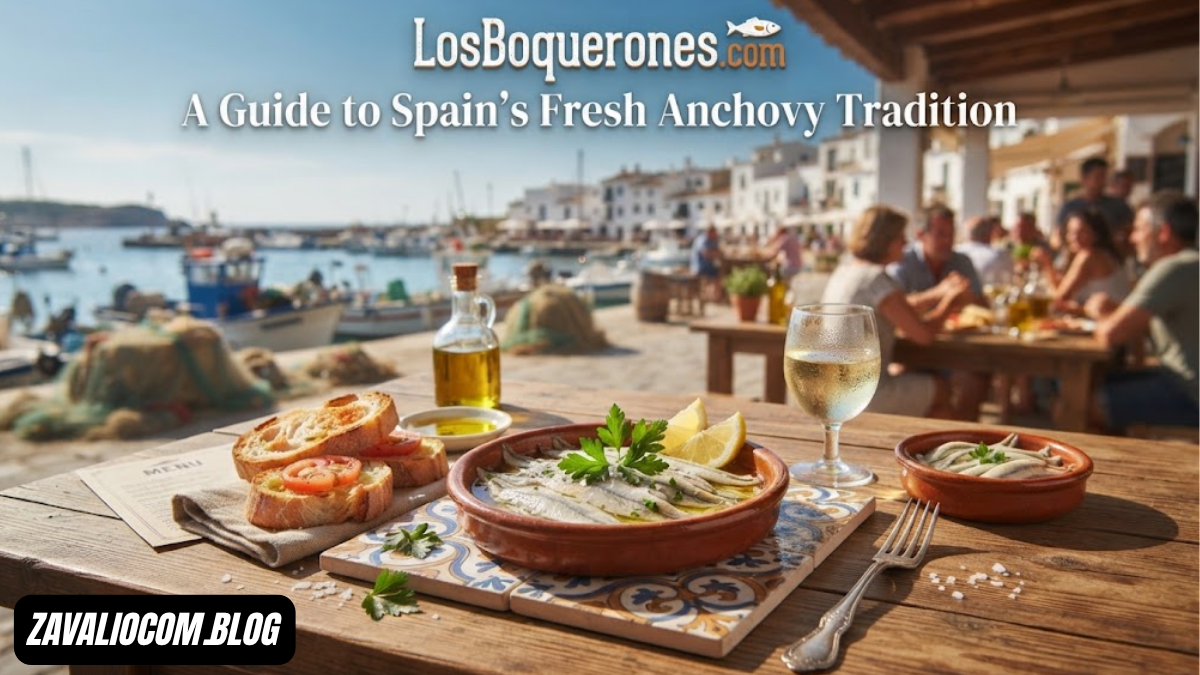
LosBoquerones com: A Guide to Spain’s Fresh Anchovy Tradition
If you’ve come across losboquerones com while searching for Spanish seafood, you may be trying to understand what boquerones actually are. In simple terms, boquerones are small anchovies, but that translation misses the part that makes them interesting: in Spanish cooking, the word often points to fresh anchovies and preparations that taste completely different from the salty anchovies many Americans know from pizza.
In Spain, these little fish can be fried until crisp, grilled over high heat, or marinated in vinegar with garlic, parsley, and olive oil. They’re especially associated with coastal regions, including Andalusia and Málaga, where seafood is often prepared with remarkable simplicity.
The difference is worth understanding because a plate of fresh boquerones is not meant to taste like a jar of intensely salty anchovy fillets. The flavor is lighter, the texture is softer, and the preparation lets the fish itself do most of the work.
What are boquerones?
Boquerones are small anchovies commonly associated with the European anchovy, Engraulis encrasicolus. Depending on the region and culinary preparation, the same or closely related anchovy species can be sold under different names. Spanish food terminology can also distinguish between fresh anchovies and anchovies that have been salted and cured.
Fresh specimens are generally small, silvery fish. Sources describing Spanish boquerones commonly put their size in roughly the 8-to-20-centimeter range, although actual size varies according to the fishery and species.
That small size is part of their culinary appeal. The fish cook quickly, absorb marinades readily, and can be eaten whole when fried, including the tiny bones.
The terminology can be confusing for American diners. In many Spanish contexts, boquerón refers to the fresh fish or preparations such as boquerones fritos and boquerones en vinagre. By contrast, anchoa often refers to the same general type of fish after salt curing and aging. The distinction is largely about preparation rather than simply being two unrelated fish.
Why do boquerones taste different from American-style anchovies?
This is probably the biggest surprise for someone trying them for the first time.
Most Americans encounter anchovies as small, dark, salty fillets packed in oil. They have an intense umami character and are commonly used as a pizza topping, pasta ingredient, or flavoring for sauces.
Fresh boquerones are another experience entirely. Their flavor is delicate, briny, and slightly oily, with a clean seafood character. When marinated in vinegar, they become bright and tangy. When fried, they develop a crisp exterior while the flesh remains moist and tender.
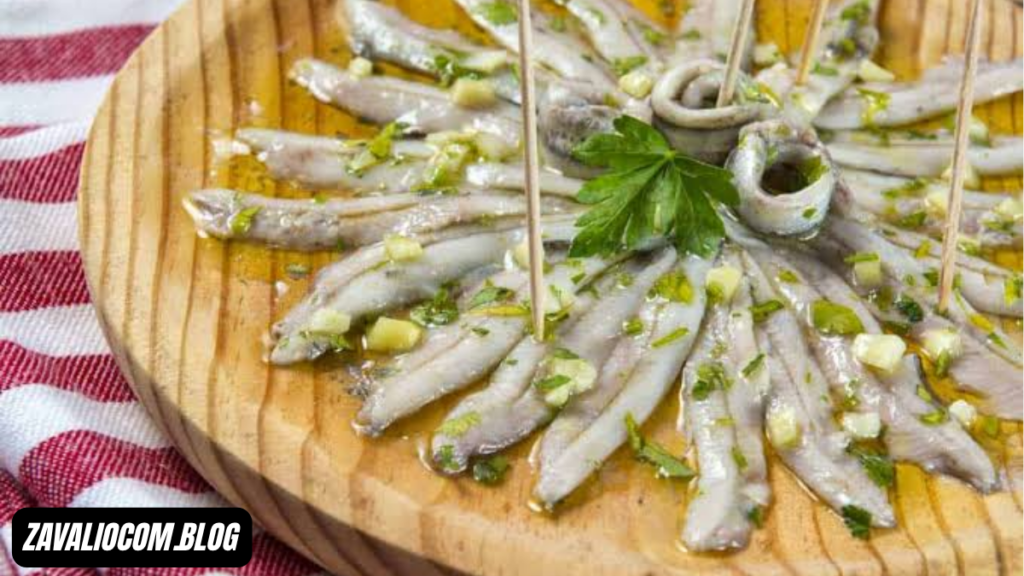
The contrast becomes especially obvious with boquerones en vinagre. The fish are cleaned and marinated, producing pale, almost white fillets that are usually finished with olive oil, garlic, and parsley.
So if you once decided you disliked anchovies after eating them on pizza, I would not use that experience as a reason to skip boquerones.
Boquerones en vinagre: Spain’s famous vinegar-marinated version
Among the best-known preparations is boquerones en vinagre, which translates roughly to anchovies in vinegar.
The basic idea is wonderfully uncomplicated: fresh anchovy fillets are cleaned, treated with vinegar, and served chilled with olive oil and aromatics. Garlic and parsley are classic additions. The result is salty, acidic, fresh, and intensely appetizing without having the heavy cured flavor of traditional oil-packed anchovies.
In Spanish tapas bars, the dish is commonly served cold as a small plate. A little crusty bread works well because it catches the seasoned olive oil left on the plate.
There is, however, one detail that should never be treated casually: food safety.
Because vinegar-marinated anchovies are not the same thing as thoroughly cooked fish, proper parasite-control procedures matter. Spanish food guidance recommends freezing anchovies intended for raw or vinegar-marinated consumption to reduce the risk associated with Anisakis, a parasite that can occur in marine fish. Cooking the fish thoroughly is another way to control the risk.
For home cooks in the United States, buying commercially prepared products from a reputable supplier can be the simpler option, particularly if the packaging indicates that appropriate parasite-control measures have been followed.
What are boquerones fritos?
If vinegar isn’t your thing, fried boquerones are probably the better introduction.
Boquerones fritos are small fresh anchovies coated lightly in flour and fried until crisp. The preparation is particularly associated with southern Spain and coastal Andalusia, where fried seafood is a major part of the local food culture.
A good plate should not feel greasy or heavily battered. The coating is usually thin enough that you can still taste the fish.
They’re often served hot with lemon, and the whole fish can be eaten once properly fried. Think of them less like a heavily breaded fish entrée and more like a crisp seafood tapa meant to be shared.
This is also where freshness makes a noticeable difference. Small oily fish deteriorate relatively quickly, so a restaurant that handles seafood well will generally produce a cleaner aroma and sweeter flavor than one working with fish that has been sitting around too long.
How Málaga made boquerones part of its identity
Málaga has an especially strong connection with these fish.
Boquerones appear in several local preparations, including fried, grilled, and vinegar-marinated versions. The connection is so strong that boquerón is also used regionally as a nickname for a person from Málaga.
That tells you something about the cultural importance of the fish. This isn’t simply a seafood ingredient imported into a restaurant menu because it sounds exotic. It is part of everyday coastal cooking.
The traditional approach is very Mediterranean: use good fish, don’t bury it under seasoning, cook it quickly, and serve it with something acidic or fresh.
How to order boquerones at a Spanish restaurant
If you’re dining at a Spanish restaurant in the U.S., don’t be surprised if the menu lists several versions.
Look for these names:
- Boquerones en vinagre — vinegar-marinated anchovies, usually served cold with olive oil, garlic, and parsley.
- Boquerones fritos — fresh anchovies lightly floured and fried.
- Boquerones a la plancha — fresh anchovies cooked quickly on a hot griddle or flat grill.
- Boquerones adobados — anchovies marinated with a seasoned mixture before cooking, often fried.
The grilled version is particularly appealing if you want to taste the fish without either a vinegar marinade or a fried coating. Fresh anchovies cooked on a hot griddle may be finished with olive oil, garlic, parsley, salt, or lemon depending on the restaurant.
For a first order, I’d choose the fried version if you’re cautious about seafood. If you already enjoy ceviche, escabeche, pickled fish, or bright Mediterranean flavors, go straight for the vinegar-marinated preparation.
Can you buy boquerones in the United States?
Yes, although availability depends heavily on the city and the seafood market.
Specialty Spanish food stores, European markets, gourmet seafood suppliers, and some well-stocked online retailers may carry prepared boquerones in vinegar. Imported products are also available from specialist Spanish-food sellers.
Fresh anchovies are harder to find consistently than preserved or marinated versions. If you’re shopping for them, ask the seafood counter specifically for fresh anchovies rather than simply saying you want “anchovies.” That distinction can prevent you from being handed a tin of cured fillets.
Price varies widely. A small specialty package can cost several dollars, while premium imported products may run considerably higher depending on weight, origin, packaging, and processing. As with many small fish, you’re paying not only for the seafood but also for cleaning, filleting, marinating, and careful handling.
What should you serve with them?
Keep the sides simple.
For vinegar-marinated fish, crusty bread, olives, roasted peppers, tomatoes, or a simple green salad make sense. The acidic fish can also work beautifully alongside other tapas because it cuts through richer foods.
Fried boquerones need even less. Lemon, a cold drink, and perhaps a small salad are enough.
At home, I’d avoid piling ten competing flavors onto the plate. Good boquerones already have plenty going on: delicate fish, salt, acidity, and olive oil.
Are boquerones healthy?
Anchovies are oily fish and provide protein along with nutrients commonly associated with seafood. Their nutritional profile can vary considerably depending on whether they’re fresh, fried, marinated, or preserved.
Fresh or simply grilled fish will obviously have a different nutritional profile from anchovies that are heavily salted or deep-fried.
Portion size also matters. A tapas serving is relatively small, so boquerones can fit naturally into a meal built around vegetables, grains, seafood, and other Mediterranean-style foods.
The bigger issue for some people is sodium. Cured anchovies can be extremely salty, while fresh preparations and vinegar-marinated versions have a different salt profile. If you’re watching sodium intake, check the product label or ask the restaurant how the fish is prepared.
What should you know before buying or making them?
There are three things I’d prioritize: freshness, preparation, and food safety.
Fresh anchovies should smell clean and marine rather than sharply fishy. If you’re buying whole fish, look for bright eyes, intact skin, and flesh that appears firm rather than mushy.
For vinegar-marinated preparations, don’t assume that a long soak in vinegar automatically makes raw fish safe. Parasite-control practices still matter. Proper freezing or an appropriate cooking method is part of responsible preparation.
And don’t confuse a beautiful restaurant plate with a complicated recipe. The best versions are often remarkably restrained.
Is losboquerones com about a restaurant, recipe, or Spanish seafood?
If you’re searching for losboquerones com, the phrase itself may lead you toward information about boquerones, Spanish anchovies, recipes, or places serving this style of seafood. The useful thing to remember is that boquerones isn’t one single dish.
It’s a culinary term connected to fresh anchovies and several preparations.
That distinction helps you search more effectively. If you want the chilled, garlicky version, search for boquerones en vinagre. If you want crisp seafood, look for boquerones fritos. And if you want something closer to a simple grilled fish course, search for boquerones a la plancha.
Are boquerones the same as anchovies?
Yes, generally, but the name often describes how the fish is prepared. In Spain, boquerones commonly refers to fresh or vinegar-marinated anchovies, while anchoas frequently means salt-cured anchovies.
What do boquerones taste like?
They have a mild, fresh, slightly oily seafood flavor rather than the intense saltiness of cured anchovies. Vinegar-marinated versions are bright and tangy, while fried ones are crisp and savory.
Can you eat boquerones bones?
Yes, small fried boquerones are commonly eaten whole because the tiny bones become crisp during cooking. Larger fish may be cleaned and filleted instead.
Are boquerones eaten raw?
Vinegar-marinated boquerones are not conventionally cooked with heat, although the acid changes their texture and appearance. Proper parasite-control treatment, such as appropriate freezing, is important before consuming them this way.
Where can I buy boquerones?
Look at Spanish specialty food stores, European markets, gourmet seafood counters, and specialty online retailers. Prepared vinegar-marinated products are generally easier to find in the U.S. than truly fresh anchovies.
If you’re new to Spanish seafood, boquerones are one of the dishes I’d actively recommend seeking out. They’re inexpensive in spirit, intensely tied to coastal Spanish cooking, and versatile enough to appeal to both adventurous diners and people who normally avoid anchovies. The fried version is the easy entry point; the vinegar-marinated style is where the ingredient really starts to show its Spanish personality.